Why High-THC Hash Is Making a Comeback in the Concentrate Scene
I have been around cannabis concentrates long enough to remember when hash was the only game in town. Before the era of translucent dabs and solventless extracts that look like amber glass, there was hash. It sat in a little block on the corner of the coffee table, and you crumbled it into a joint or pressed it onto a screen. That was the 1990s. Today, after years of chasing ever-higher THC percentages through exotic extraction methods, many experienced consumers are circling back to a refined, potent form of the original. They are rediscovering high-THC hash, and the shift is not just nostalgia.
What Makes Hash Different From Other Concentrates
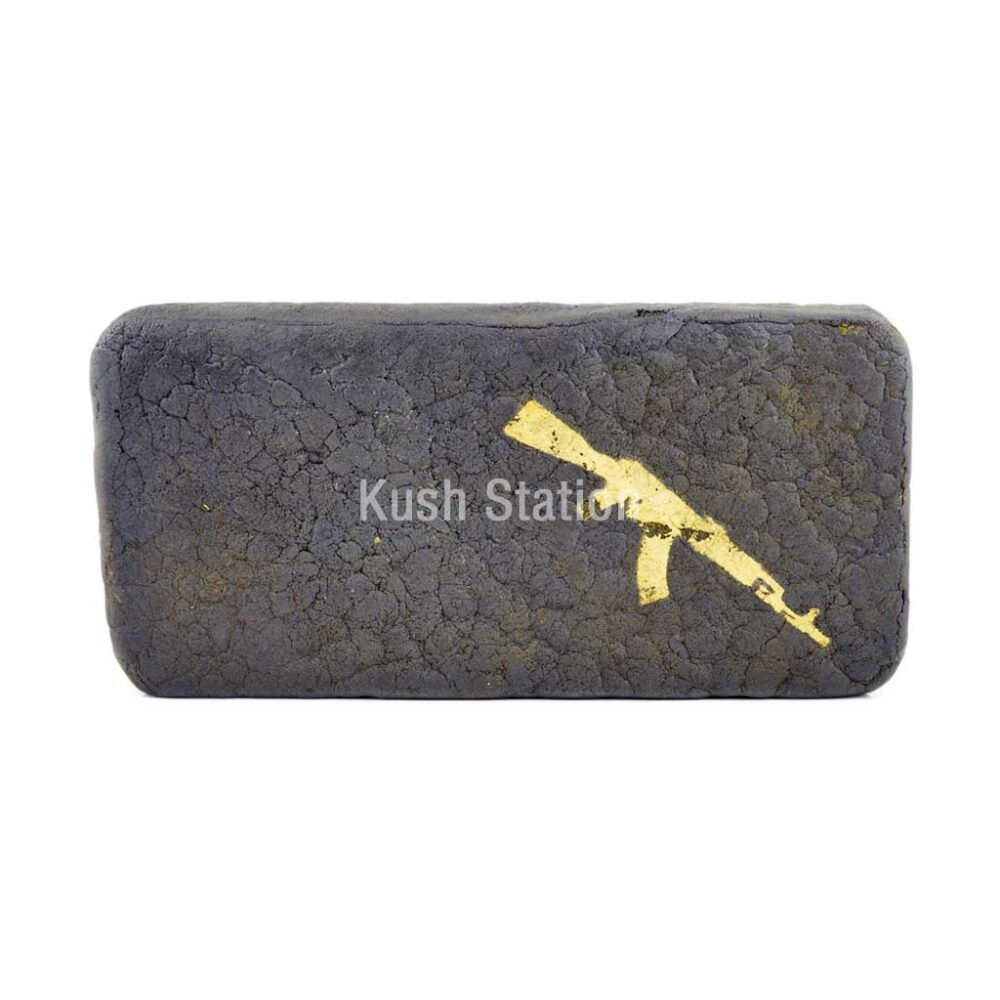
Hash is one of the oldest cannabis concentrates, but not all hash is equal. The term covers everything from low-grade brick dust to hand-rolled, solventless extraction that rivals the purity of live resin. The difference comes down to how the trichomes are separated and processed. Ice water hash, also called bubble hash, uses cold water and agitation to break the trichomes off the plant material. The resulting slurry is filtered through micron screens, dried, and pressed. If done carefully, the final product retains a high proportion of intact trichome heads, which means more of the original terpenes and cannabinoids survive.
Potency and the Role of THC
When people talk about high-THC hash, they are usually referring to a product that tests above 50 percent THC, sometimes reaching into the 70s. That is a serious dose, especially for anyone used to flower that averages 20 percent. The reason hash can hit those numbers is the concentration of trichomes. A single pass through a fine mesh screen can double or triple the cannabinoid density of the starting material. But raw potency is only part of the appeal. The entourage effect, the synergistic interaction of THC with other cannabinoids and terpenes, matters just as much. A well-made high-THC hash preserves the full spectrum of compounds, so the experience feels more rounded than a straight THC isolate.
Solventless Extraction and the Return to Craft
One of the driving forces behind the renewed interest in hash is the growth of solventless extraction. Techniques like ice water hash and dry sifting avoid chemicals such as butane or ethanol. For a lot of people, that translates to a cleaner, more natural product. I have watched small-scale producers set up shop with nothing more than a set of micron bags, a bucket of ice, and a microscope to check trichome ripeness. That kind of hands-on approach is rare in mass-produced concentrates, where yield often trumps quality. The best high-THC hash I have tried came from a batch where the grower waited an extra week for the trichomes to turn cloudy and amber, then processed the material within hours of harvest. The flavor was intense, with notes of pine and citrus that lasted through the whole session.
Live Resin vs. Hash: A Practical Comparison
Live resin and hash serve different purposes. Live resin captures the fresh, volatile terpenes that can be lost during drying and curing. It tends to have a very bright, plant-forward flavor. Hash, especially aged or cured hash, develops deeper, more resinous notes. Texture also matters. Live resin is sticky, almost like a thick oil, while hash is dry and crumbly or soft and pliable depending on the temperature. For someone using a dab rig, live resin works well because it vaporizes cleanly at lower temperatures. Hash can also be dabbed, but it often requires a slightly higher heat to fully vaporize the material without leaving residue. If you are using a vaporizer designed for concentrates, high-THC hash can be an excellent choice. It loads easily, produces thick vapor, and the effects tend to build gradually rather than hitting all at once.
How to Judge Quality in High-THC Hash
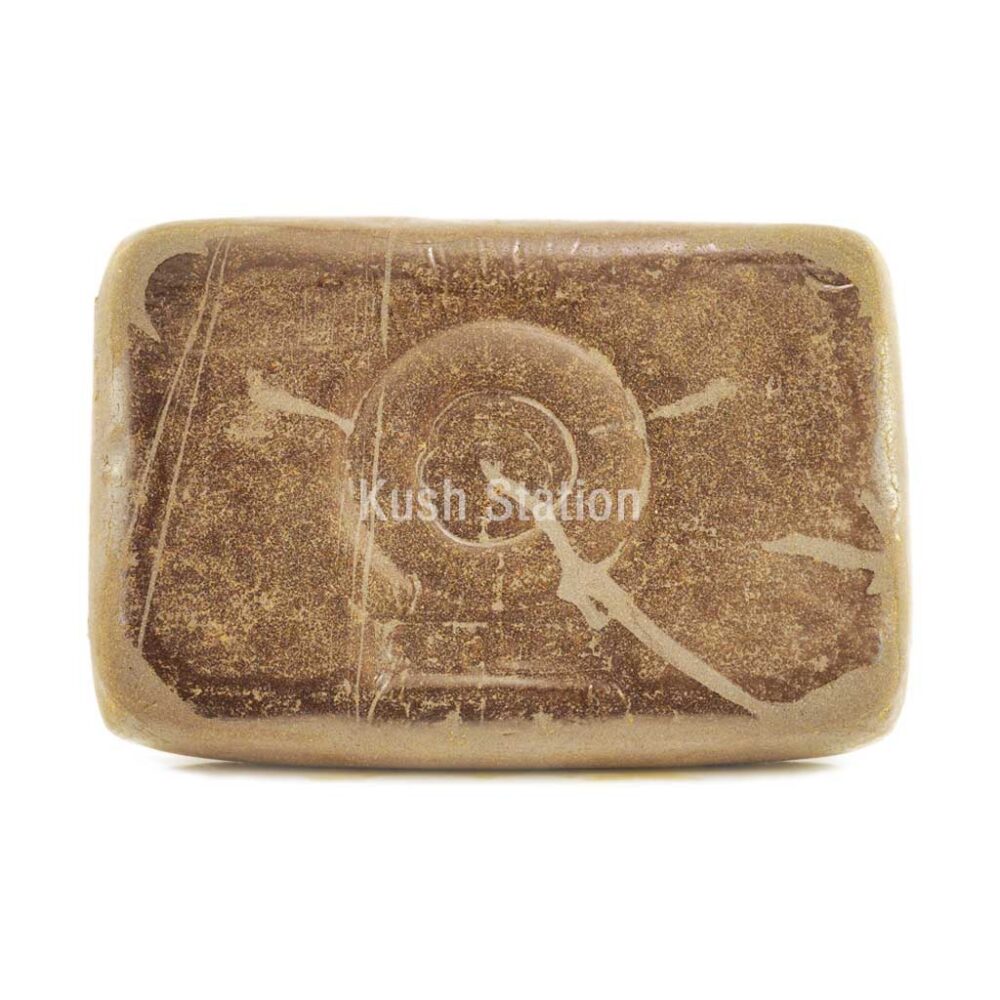
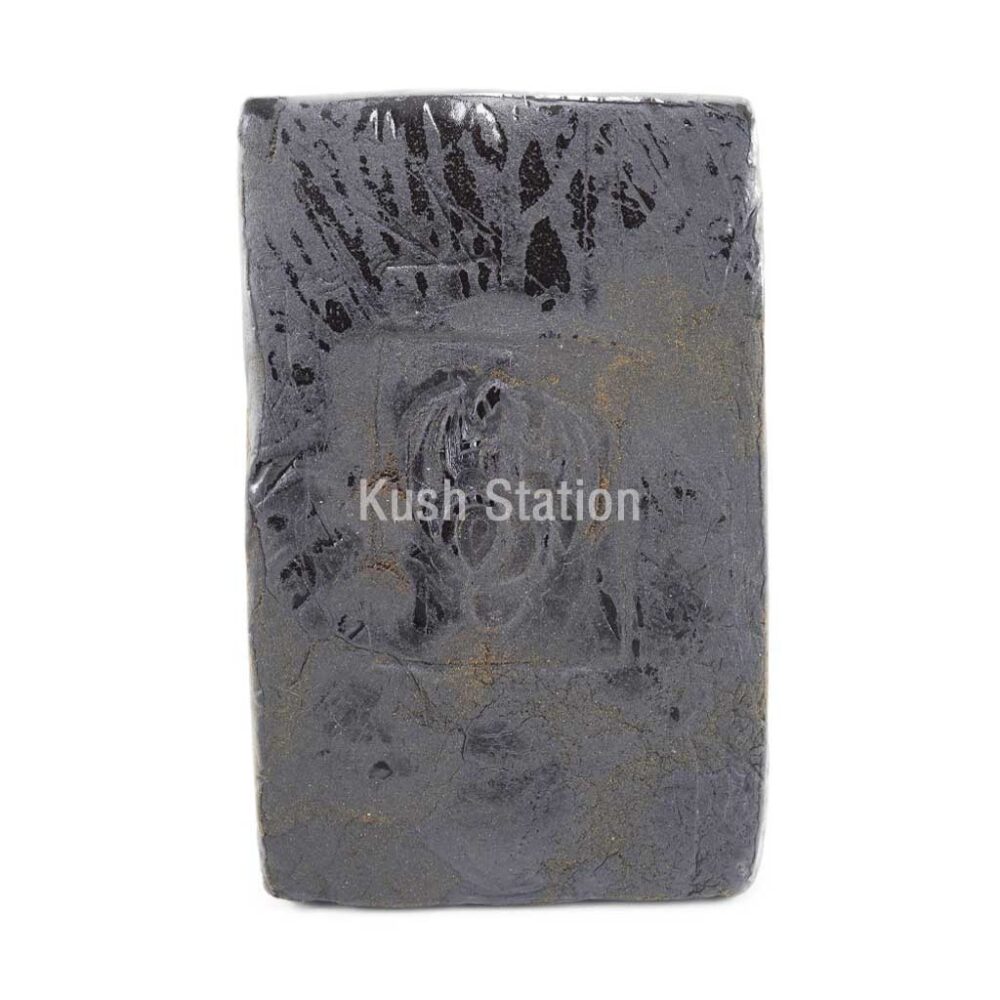
Appearance is the first clue. Good hash should look like a uniform, slightly glossy block or powder, depending on how it was pressed. If you see green flecks of plant matter, the hash was not filtered well. That means lower potency and a harsher smoke. The next test is smell. High-quality hash has a distinct, concentrated aroma. You should be able to pick out the dominant terpenes without any hint of ammonia or hay, which signal poor storage or old material. The final test is a small dab on a heated nail. It should bubble and melt evenly, not sizzle or leave a black char. A lab test is the only way to know exact percentages, but your senses are a reliable guide for everyday judgment.
Storage and Dosage Control
Hash is more stable than many other concentrates because it is less exposed to oxygen during processing. Still, it needs proper storage. Keep it in a cool, dark place inside an airtight concentrate jar. Avoid plastic bags, which can leach compounds and affect flavor. For dosage control, hash is easier to handle than sticky shatter or runny budder. You can break off a small piece, weigh it if you are precise, and know exactly how much you are taking. That level of control matters when the THC content is high. I have seen people take too much on their first try and end up uncomfortably high for hours. Start with a grain of rice sized piece and wait ten minutes before taking more.
The Science Behind the Experience
Decarboxylation plays a role in how hash affects you. When you heat hash, either by smoking, vaping, or dabbing, the acidic form of THC converts into the active form that binds to receptors in the brain. The rate of decarboxylation depends on temperature and time. Too much heat degrades the cannabinoids and produces harsh byproducts. That is why low-temperature dabbing has become so popular. A controlled heat preserves the subtle differences between strains. High-THC hash made from a sativa-dominant plant can feel uplifting and clear, while an indica-dominant batch can be deeply relaxing. The same hash can behave differently depending on how you consume it, which is part of the fun.
Shatter and Budder: The Modern Alternatives
Shatter and budder represent different ends of the concentrate spectrum. Shatter is glassy and brittle, made by extracting with solvents and then purging them. Budder is whipped during processing to create a creamy, butter-like consistency. Both can reach high THC levels, but they lack the complex, earthy profile that hash brings. For someone who values flavor and the entourage effect, high-THC hash often beats purer forms of THC isolate. The trade-off is that hash can be harder to find in a consistent, lab-tested form. Not every producer takes the time to screen properly or test for residual solvents. That is where a trusted source matters.
Why KushStation Fits the Current Moment
KushStation has built its catalog around the idea that cannabis concentrates should be sorted by type, potency, and price so that people can find exactly what they want without guesswork. That approach makes sense for anyone exploring high-THC hash alongside other concentrates like live resin, shatter, and budder. Being able to compare lab results and product descriptions side by side helps people make informed choices. The online store format also makes it easier to find solventless options, which are still a niche in many local markets. If you are curious about hash but do not know where to start, having a curated selection takes the pressure off.
A Word on Freshness and Handling
Hash that has been sitting on a shelf for months loses potency and flavor. The terpenes oxidize, and the texture hardens. Always check the harvest or production date if it is available. When you receive a new batch, open the concentrate jar and let it breathe for a few minutes before sealing it again. That helps remove any trapped moisture. If the hash is too hard to crumble, warm it gently between your fingers or hold the jar against your palm for a minute. Do not use direct heat from a torch or lighter on the hash itself; that will degrade the cannabinoids before you even consume it.
Final Thoughts on High-THC Hash
The resurgence of high-THC hash is not a marketing gimmick. It represents a return to fundamentals. People want potency, but they also want complexity and a connection to how the plant was grown and processed. Hash delivers that in a way that highly processed extracts sometimes miss. Whether you are a longtime fan or someone who has only tried modern concentrates, hash is worth a second look. The key is finding a product that balances high THC content with a well-preserved terpene profile. When you get that combination right, a small piece of hash can provide an experience that feels complete, not just strong. That is the real reason hash is making a comeback, and it shows no signs of slowing down.